Selecting the Right Pneumatic Actuator
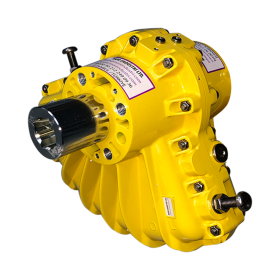
Choosing the right pneumatic actuator is crucial for achieving efficiency, reliability, and precision in any industrial or automation system. These devices transform compressed air into mechanical motion, enabling automated control of valves, dampers, and other equipment. Selecting the wrong actuator can lead to frequent maintenance issues, reduced performance, and higher operational costs. Understanding the types, specifications, and compatibility with your system ensures smooth operation and long-term savings.
Modern industries demand actuators that respond quickly, operate reliably under various conditions, and integrate seamlessly with control systems. From linear to rotary motion, the choice depends on application requirements, environmental conditions, and load capacities. Engineers and system designers often rely on technical specifications, manufacturer data, and hands-on experience to make informed decisions.

Maintenance Tips to Extend the Life of Pneumatic Actuators
Regular maintenance significantly improves the lifespan and performance of pneumatic actuators. Simple measures can prevent failures, reduce downtime, and enhance safety in industrial operations.
- Lubrication: Ensure moving parts receive the recommended lubrication. This reduces friction and wear.
- Air Quality: Clean, dry, and filtered air prevents corrosion, contamination, and internal damage.
- Inspection: Periodically check seals, fasteners, and alignment to avoid leaks or misalignment issues.
- Environmental Protection: Shield actuators from dust, moisture, and extreme temperatures.
By following these steps, operators can minimize unscheduled breakdowns. Maintenance schedules also allow early detection of potential problems, saving both time and costs in the long run.
How Pneumatic Actuators Optimize Flow Control Systems
Pneumatic actuators play a critical role in optimizing flow control systems. They provide precise valve movement, which directly affects system efficiency, energy consumption, and process reliability.
- Accuracy: High-performance actuators maintain consistent positioning, reducing flow variations.
- Speed: Rapid response ensures smooth start-stop operations in production lines.
- Automation: Integration with control systems enables real-time adjustments, minimizing human error.
Industries such as water treatment, chemical processing, and manufacturing rely on these devices for consistent operation. By selecting actuators with the right torque, stroke, and control type, facilities achieve better throughput and energy efficiency.
Types of Pneumatic Actuators and Their Applications
Understanding actuator types helps you match the device to your system requirements.
| Actuator Type | Motion Type | Typical Applications | Advantages |
|---|---|---|---|
| Rotary | 90° rotation | Butterfly valves, dampers | Compact, high torque |
| Linear | Straight line | Gate valves, process control | High force, simple integration |
| Scotch Yoke | Rotational to linear | Industrial valves, automation | Smooth motion, moderate torque |
| Rack and Pinion | Rotational | Ball valves, HVAC systems | Reliable, easy to maintain |
Each actuator type suits different applications. Consider environmental conditions, required precision, and mechanical compatibility when making your choice.
Factors to Consider When Selecting a Pneumatic Actuator
Choosing the right pneumatic actuator requires careful evaluation of several factors:
- Torque Requirements: Ensure the actuator can handle valve resistance without overloading.
- Cycle Frequency: High-cycle applications need durable actuators designed for repeated movement.
- Control Options: Decide between simple on/off or proportional control based on process needs.
- Material Compatibility: Consider corrosion resistance and temperature ratings for the operating environment.
Evaluating these factors improves system reliability and reduces unnecessary maintenance costs.
Troubleshooting Common Pneumatic Actuator Issues
Even high-quality actuators occasionally experience issues. Knowing how to troubleshoot can prevent prolonged downtime.
- Air Leaks: Inspect seals, fittings, and connections for wear or damage.
- Slow Response: Check air pressure, lubrication, and actuator alignment.
- Inconsistent Motion: Verify actuator sizing and control signal integrity.
- Noise or Vibration: Ensure proper installation and inspect for internal wear.
Timely troubleshooting prevents small problems from escalating into expensive repairs.
FAQ
- How often should I maintain my pneumatic actuator?
Regular maintenance every 3-6 months is recommended, depending on usage and environmental conditions. - Can pneumatic actuators be used in high-temperature environments?
Yes, but you must select models with appropriate material and temperature ratings to ensure safe operation. - How do I know which actuator type to choose?
Consider the motion type, torque, cycle frequency, and application requirements to match the actuator to your system. - What are common signs of actuator failure?
Leaking air, slow response, inconsistent motion, and unusual noise often indicate wear or internal damage.
