How DeviceNet Communication Enhances Industrial Automation
Industrial automation has evolved tremendously over the past decades, and DeviceNet communication plays a pivotal role in this transformation. By enabling efficient, reliable, and scalable communication between devices like sensors, actuators, and controllers, DeviceNet ensures processes run smoothly in complex industrial environments. Its robust design integrates seamlessly with existing networks, minimizing downtime while optimizing operational performance.
From controlling multiple units simultaneously to providing precise monitoring capabilities, DeviceNet communication ensures that modern manufacturing facilities achieve both efficiency and accuracy. In this post, we will explore the features, applications, and benefits of DeviceNet communication in industrial automation, focusing particularly on actuators and limit switches.
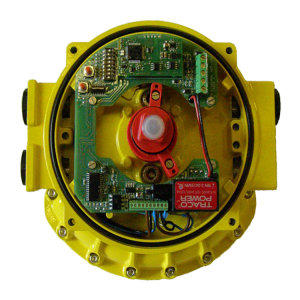
Top Features of DeviceNet Communication in Actuators
Actuators are crucial in industrial automation, converting electrical signals into physical motion. When integrated with DeviceNet communication, actuators gain enhanced intelligence, allowing precise control over motion, position, and timing.
- Seamless Integration: DeviceNet allows actuators to communicate with other networked devices without requiring extensive rewiring or complex configuration.
- Multiple Unit Control: You can connect up to 63 units using DeviceNet’s 5-core cable, ensuring centralized control over large-scale systems.
- Versatile Outputs and Inputs: Each actuator can feature two on/off outputs and inputs, enabling real-time monitoring of mechanical switches or inductive sensors.
- Flexible Network Speeds: Field-selectable speeds of 125, 250, and 500 Kbit/s allow fine-tuning for system requirements.
- Power Efficiency: The system can handle 63 solenoid valves on the bus without needing separate power supplies, offering both operational efficiency and reduced wiring complexity.
By equipping actuators with DeviceNet options, companies enhance automation reliability and reduce manual intervention, leading to faster cycle times and lower maintenance costs.
Common DeviceNet Communication Applications
DeviceNet communication is widely applied in industrial automation scenarios. Its ability to standardize communication between devices makes it ideal for complex setups:
- Process Automation: In chemical, pharmaceutical, and food processing plants, DeviceNet integrates multiple sensors and actuators, ensuring consistent operation.
- Robotics: DeviceNet enables robotic arms and linear actuators to communicate with central controllers, ensuring precise motion and synchronized actions.
- Valve and Flow Control: Limit switches equipped with DeviceNet allow operators to monitor valve positions accurately, preventing leaks or misoperations.
- Packaging and Assembly Lines: Using DeviceNet, every actuator and sensor in an assembly line communicates in real-time, allowing rapid troubleshooting and optimization.
The standardized protocol reduces installation errors and accelerates commissioning. Engineers appreciate its scalability, as adding new units is straightforward with minimal configuration adjustments.
Understanding DeviceNet Architecture
At its core, DeviceNet is a low-level network protocol designed for industrial environments. Its architecture revolves around nodes, a master controller, and standardized messaging formats.
- Nodes: Every actuator or sensor connected to the DeviceNet network receives a unique Node ID (1 to 63).
- Master Controller: Oversees communication, ensuring each node sends and receives data efficiently.
- Bus Topology: Uses a 5-core cable to transmit both power and data, minimizing installation complexity.
This architecture allows industries to monitor every device on the network without interrupting other processes. For example, Kinetrol VLS limit switches equipped with DeviceNet can read both mechanical switches and inductive sensors while offering LED external indication for quick visual verification.
Benefits of DeviceNet Communication in Industrial Settings
DeviceNet offers numerous advantages that elevate industrial automation:
- Reliability: Built-in short circuit protection and robust circuitry ensure minimal downtime even in harsh conditions.
- Flexibility: Field-selectable network speeds and multiple terminal options enable customization for diverse applications.
- Scalability: Easily connect up to 63 units per network without additional power sources.
- Ease of Maintenance: LED indicators, modular connectors, and standardized cabling simplify troubleshooting.
- Enhanced Integration: DeviceNet-compatible actuators integrate seamlessly into existing control networks, reducing the need for new infrastructure.
The combination of these benefits means industries can maximize productivity while maintaining high safety and operational standards.
DeviceNet Communication in Kinetrol VLS Limit Switches
| Feature | Description |
|---|---|
| Maximum Units on Network | 63 units with controlled on/off |
| Terminal | Single 5-way terminal per board |
| Network Speeds | 125, 250, 500 Kbit/s (field selectable) |
| Inputs/Outputs | 2 on/off per unit |
| Sensors | Mechanical switches or inductive sensors |
| LED Option | External visual indication |
| Solenoid Valve Control | Up to 63 pcs, 24V, 1W without separate supply |
| Power Supply | 11.0 – 26.4V dc, max 3 W |
| Node ID | Unique for each unit, 1 to 63 |
| Connector | M12 plug option for faster installation |
| Operating Temp | 0°C to +60°C |
| Safety | Built-in output short circuit protection |
This combination of features ensures that actuators operate with both precision and reliability, reducing the risk of misalignment or process interruptions.
Installation and Configuration Tips
Implementing DeviceNet in an industrial setup requires careful attention to wiring, node addressing, and network speed selection. Here are some practical tips:
- Assign Node IDs Carefully: Ensure each actuator or sensor has a unique ID to prevent communication conflicts.
- Check Power Supply Ratings: Confirm voltage and current requirements before connecting multiple devices to avoid overload.
- Use M12 Connectors for Faster Setup: Modular connectors simplify installation and reduce human error.
- Monitor LEDs During Commissioning: External LED indicators allow quick confirmation of network health and device operation.
- Test at Low Speeds First: Start at 125 Kbit/s for initial testing before increasing speed for production efficiency.
By following these guidelines, industrial engineers can leverage DeviceNet communication fully, minimizing downtime during installation and commissioning.
Advanced Monitoring and Diagnostics
DeviceNet not only facilitates communication but also enhances diagnostics:
- Real-time Feedback: Monitor the status of every actuator, sensor, and solenoid valve.
- Error Reporting: Built-in protection mechanisms immediately flag faults such as short circuits.
- Predictive Maintenance: Regular data collection allows teams to identify wear patterns or performance drops before failures occur.
- Integration with Control Systems: Data from DeviceNet nodes can feed into SCADA or PLC systems for holistic automation oversight.
This monitoring capability empowers industries to operate safely and efficiently, reducing unexpected downtime and maintenance costs.
Future Trends in DeviceNet Communication
While DeviceNet has proven robust, the industry continues to evolve:
- IoT Integration: Connecting DeviceNet networks to cloud-based analytics enhances predictive maintenance and real-time decision-making.
- Wireless Expansion: Research into wireless DeviceNet nodes aims to reduce cabling complexity and allow easier reconfiguration of industrial layouts.
- Enhanced Security: Newer DeviceNet implementations focus on cybersecurity, protecting industrial networks from potential threats.
- Energy Efficiency Improvements: Optimizing power consumption of DeviceNet nodes contributes to greener industrial operations.
By staying ahead of these trends, manufacturers can ensure their automation systems remain competitive, reliable, and scalable.
FAQs
- What is the main advantage of using DeviceNet in actuators?DeviceNet allows multiple actuators to communicate with a central controller, providing precise control and real-time monitoring. This reduces errors, enhances process efficiency, and allows scalable automation solutions.
- How many devices can I connect to a single DeviceNet network?You can connect up to 63 units, each with unique Node IDs, ensuring centralized control without additional power sources for solenoid valves.
- Can DeviceNet be integrated with existing control systems?Yes, DeviceNet-compatible devices like Kinetrol VLS limit switches integrate seamlessly into PLCs or SCADA systems, allowing centralized monitoring and control without major rewiring.
- What are common troubleshooting steps for DeviceNet networks?Start by verifying Node IDs, checking network speed settings, confirming power supply ratings, and using LED indicators to monitor device status. Modular M12 connectors simplify connection checks and replacements.
