AS Interface Bus Communication in Industrial Actuator Systems
In modern industrial automation, communication between devices is the backbone of efficiency and reliability. AS Interface Bus Communication provides a streamlined solution for controlling and monitoring industrial actuators with precision. By leveraging a simple two-wire bus system, engineers can build robust networks that connect multiple devices efficiently, reducing complexity and increasing system reliability. Whether you’re dealing with pneumatic or electric actuators, understanding how AS Interface integrates with your control system is crucial for achieving advanced motion control.
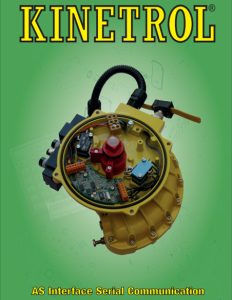
AS Interface Bus Communication for Smart Pneumatic and Electric Actuators
Smart actuators, whether pneumatic or electric, are increasingly essential in automated industrial systems. Using AS Interface Bus Communication, these actuators can communicate with a central controller or PLC through a digital signal over a two-wire cable. The master-slave protocol ensures that up to 62 devices can coexist on a single bus, each with a unique address, allowing precise control and monitoring.
The benefits of using AS Interface in actuator systems are significant:
- Rapid scanning of all devices (every 5 milliseconds) ensures real-time responsiveness.
- Flexible network design allows parallel or star configurations, making installation straightforward.
- Extended addressing allows large-scale systems without compromising performance.
This communication method allows engineers to integrate smart actuators into sophisticated control systems without needing complex wiring, reducing both installation costs and maintenance efforts.
Practical Example: A factory using pneumatic actuators for conveyor systems can monitor position, pressure, and actuation speed from a central control unit, enabling predictive maintenance and minimizing downtime.
Advanced Motion Control with AS Interface Bus Communication
Precision in motion control is critical for industrial applications like robotics, packaging, and material handling. AS Interface Bus Communication provides the bandwidth and reliability necessary for advanced motion control strategies. By transmitting signals at a baud rate of 197 Kbit/second, the bus ensures that actuators receive timely commands and feedback.
Key advantages include:
- Real-time synchronization: Multiple actuators respond simultaneously to commands, essential for coordinated movements.
- Scalability: Additional devices can be added to the bus without disrupting the existing network.
- Versatility: Supports up to 124 inputs and outputs per bus, accommodating complex systems.
Industrial engineers can implement complex motion sequences, combining pneumatic and electric actuators, while maintaining a simple cabling structure. This reduces the risk of wiring errors and allows for rapid modifications or system expansions.
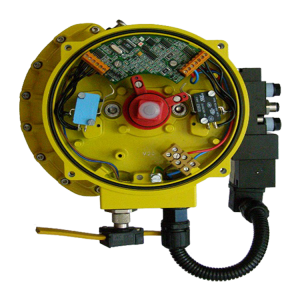
Designing Reliable AS Interface Networks
Building a reliable AS Interface network requires careful planning of topology, power supply, and device placement. The bus supports both star and spur configurations, making it adaptable to various plant layouts. Power requirements range from 26.5 to 31.5 Vdc, with a maximum current of 8 A, suitable for medium-sized actuator networks.
Important design considerations:
- Cable Selection: Use untwisted, unshielded, 2-wire (1.5 mm²) cables to connect devices.
- Distance Limitation: Standard bus length is 100 meters, extendable with repeaters for larger installations.
- Device Scanning: All connected slaves can be scanned in just 5 milliseconds, ensuring fast system response.
- Address Assignment: Each actuator must have a unique address for error-free operation.
A well-designed network minimizes downtime and provides reliable feedback, enabling predictive maintenance and automated diagnostics.
Integration with PLCs and Central Controllers
AS Interface Bus Communication integrates seamlessly with PLCs and central control systems. The master device (PLC or computer) can send and receive signals from all connected actuators, allowing full control over the entire process.
Benefits of integration include:
- Reduced wiring complexity compared to conventional point-to-point connections.
- Enhanced system visibility and monitoring capabilities.
- Simplified troubleshooting through software-based device scanning and diagnostics.
Engineers can program sophisticated control algorithms while leveraging the bus for fast, reliable communication. This creates a smart factory environment where actuators, sensors, and controllers work in harmony.
Table: Typical AS Interface Bus Specifications for Industrial Actuators
| Feature | Specification |
|---|---|
| Maximum Slaves per Master | 62 (extended addressing available) |
| Slave Scanning Interval | 5 milliseconds |
| Baud Rate | 197 Kbit/second |
| Maximum Inputs per Bus | 124 |
| Maximum Outputs per Bus | 124 (using Kinetrol device 62) |
| Power Supply | 26.5 – 31.5 Vdc, 8 A max |
| Maximum Cable Length | 100 m (repeaters extend distance) |
| Cable Type | Untwisted, unshielded, 2-wire (1.5 mm²) |
| Network Topology | Star, Spur, Parallel |
This table provides a concise reference for engineers planning industrial actuator systems using AS Interface.
Optimizing System Performance
Maximizing performance in industrial actuator systems requires both hardware and software strategies. AS Interface Bus Communication allows engineers to implement:
- Load balancing: Distribute control tasks evenly across multiple actuators.
- Error handling: Detect and isolate faulty devices without affecting the entire system.
- Data logging: Capture actuator feedback for process optimization and predictive maintenance.
With proper configuration, operators can achieve precise motion control, minimize energy consumption, and extend the lifespan of actuator networks.
Benefits of Using AS Interface for Industrial Automation
Adopting AS Interface in industrial actuator systems offers numerous advantages:
- Simplified wiring: Two-wire communication reduces installation time and cost.
- Real-time control: Fast scanning and low latency enable precise actuation.
- Scalable architecture: Expandable network supports growth without rewiring.
- Flexible topology: Star, spur, or parallel configurations suit diverse factory layouts.
- Predictive maintenance: Continuous monitoring reduces unplanned downtime.
These advantages make AS Interface a preferred choice for engineers seeking reliable, scalable, and intelligent actuator networks.
Schematic Design and Topology Best Practices
When implementing AS Interface, topology and layout are critical. Consider these best practices:
- Keep cable lengths within recommended limits; use repeaters if needed.
- Minimize interference by separating power and signal lines where possible.
- Plan unique addresses for all slaves before installation to avoid conflicts.
- Document network layout and device configuration for easy maintenance.
Following these practices ensures a robust, reliable, and maintainable industrial communication network.
Common Industrial Applications
AS Interface Bus Communication powers a wide range of industrial applications, including:
- Robotic assembly lines
- Packaging and material handling systems
- Automated conveyor networks
- Smart pneumatic and electric actuator arrays
Its combination of simplicity, scalability, and real-time performance makes it ideal for industries requiring fast, reliable actuation and monitoring.
Sık Sorulan Sorular (FAQ)
- What types of actuators can work with AS Interface Bus?AS Interface supports both pneumatic and electric actuators. Smart devices can communicate directly with a master controller, enabling real-time control and monitoring.
- How many devices can I connect on a single AS Interface bus?A single master can control up to 62 slaves, with extended addressing options allowing even larger networks.
- Can I expand my actuator network later?Yes, slaves can be added anywhere on the bus without disrupting existing devices. Star and spur topologies provide flexible expansion options.
- What maintenance or troubleshooting features are available?AS Interface allows rapid scanning of all devices every 5 milliseconds. Faulty devices can be quickly identified, and software diagnostics simplify maintenance.
