How Pneumatic Actuators Work
Industrial automation continues to reshape how modern facilities manage motion, pressure, and control systems. Among the essential components behind this transformation are actuators. These devices convert energy into motion and allow machines, valves, and mechanical systems to perform precise tasks automatically. Within this category, pneumatic actuators stand out because they offer reliability, speed, and durability in demanding industrial environments.
Understanding How Pneumatic Actuators Work helps engineers, technicians, and system designers select the right automation solution for their applications. From manufacturing lines to water treatment facilities and energy plants, these devices play a crucial role in controlling valves, dampers, and mechanical systems.
Pneumatic actuators operate using compressed air to generate mechanical motion. This simple yet powerful principle enables them to move valves, rotate shafts, or push mechanical components with impressive speed and accuracy. Because compressed air is widely available in industrial facilities, pneumatic systems remain one of the most practical solutions for automation.
In this comprehensive guide, we explore the working principle of How Pneumatic Actuators Work, compare pneumatic and electric actuator technologies, examine rotary actuator mechanisms, and explain how these systems integrate into modern automation infrastructure.
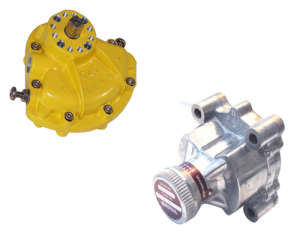
Understanding the Basics of How Pneumatic Actuators Work
At their core, pneumatic actuators transform compressed air energy into mechanical motion. Industrial air compressors generate pressurized air, which travels through pipelines and control valves to reach the actuator. Once the air enters the actuator chamber, it applies pressure to a piston, diaphragm, or vane mechanism. That pressure generates linear or rotary motion depending on the actuator design.
When engineers design automated systems, they prioritize efficiency, responsiveness, and safety. Pneumatic actuators satisfy all three requirements. Their simple mechanical structure reduces failure risks while maintaining high operating speeds.
The working principle follows a straightforward sequence:
- Compressed air enters the actuator chamber
- Pressure pushes a piston or vane
- Mechanical motion transfers to a valve or mechanical system
- Exhaust air releases through ports after completing the movement
Although the principle appears simple, modern pneumatic actuators incorporate advanced engineering features that improve precision and durability.
Core Components of Pneumatic Actuators
Several essential components work together to deliver reliable motion.
Cylinder Housing
The cylinder body contains the piston and compressed air chamber. Manufacturers typically produce this housing from aluminum or stainless steel to resist corrosion and high pressure.
Piston Mechanism
The piston converts air pressure into movement. As compressed air enters the chamber, it pushes the piston forward or backward depending on the actuator design.
Sealing System
High-performance seals prevent air leakage and maintain pressure inside the chamber. Durable sealing improves actuator efficiency and longevity.
Return Springs
Some pneumatic actuators include springs that automatically return the piston to its original position when air pressure releases.
Output Shaft
The output shaft transfers mechanical motion from the actuator to the valve, damper, or mechanical system.
Each component contributes to the smooth operation of How Pneumatic Actuators Work in industrial systems.
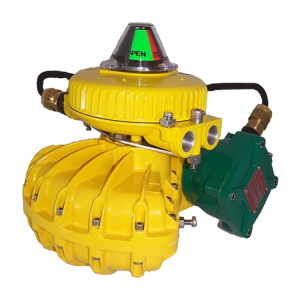
Motion Types in Pneumatic Actuation Systems
Actuators generate two main types of mechanical movement. Engineers choose between these motion types depending on the application.
Linear Motion
Linear pneumatic actuators move in straight lines. They extend or retract a piston to push or pull mechanical components. Linear actuators often operate:
- Gate valves
- Sliding mechanisms
- Industrial clamps
- Conveyor positioning systems
These actuators provide high force output and simple control.
Rotary Motion
Rotary pneumatic actuators rotate shafts through a fixed angle. This rotation commonly ranges between 90° and 180°. Rotary actuators frequently operate quarter-turn valves such as butterfly valves and ball valves.
Industries widely use rotary systems because they deliver quick response times and require minimal maintenance.
Both motion types demonstrate the versatility behind How Pneumatic Actuators Work in industrial automation.
Key Advantages of Pneumatic Actuators
Engineers often choose pneumatic actuators because they deliver consistent performance under demanding conditions.
Fast Response
Compressed air moves quickly through pipelines, allowing pneumatic actuators to respond almost instantly to control signals. High-speed response proves valuable in production environments where timing matters.
Simple Design
The internal mechanism contains fewer electronic components compared to electric systems. This simplicity reduces maintenance needs and improves operational reliability.
Safe Operation
Pneumatic systems operate without sparks, which makes them suitable for hazardous environments such as chemical plants or oil refineries.
High Durability
Industrial pneumatic actuators withstand extreme temperatures, vibration, and heavy-duty workloads.
Cost Efficiency
Compressed air systems already exist in many facilities. Integrating pneumatic actuators into existing air systems lowers installation costs.
These advantages explain why engineers continue adopting pneumatic solutions in modern automation systems.
Pneumatic vs Electric Actuators
When designing automation systems, engineers often compare pneumatic and electric actuators to determine which technology best fits the application. Both options provide precise motion control, yet their operating principles differ significantly.
Electric actuators rely on electric motors to generate mechanical movement. Pneumatic actuators use compressed air pressure instead. Each technology offers unique benefits depending on the environment and operational requirements.
Below is a comparison that highlights their core differences.
| Feature | Pneumatic Actuators | Electric Actuators |
|---|---|---|
| Energy Source | Compressed air | Electrical power |
| Speed | Very fast response | Moderate response |
| Precision | Good control with regulators | Very precise positioning |
| Maintenance | Low maintenance | Requires electrical servicing |
| Safety | Ideal for hazardous environments | Risk of sparks in explosive areas |
| Cost | Lower upfront cost in air-equipped facilities | Higher installation cost |
| Durability | Excellent in harsh environments | Sensitive to moisture and heat |
Frequently Asked Questions
What is the main function of a pneumatic actuator?
A pneumatic actuator converts compressed air into mechanical motion. This motion operates valves, dampers, or mechanical equipment within industrial automation systems. By controlling airflow, operators regulate the actuator’s movement and control the connected device.
Where are pneumatic actuators commonly used?
Industries widely use pneumatic actuators in manufacturing plants, oil and gas facilities, water treatment systems, and power generation stations. These environments benefit from the actuator’s fast response, reliability, and safe operation in hazardous conditions.
What advantages do pneumatic actuators offer compared to electric actuators?
Pneumatic actuators deliver faster response times and operate safely in explosive environments because they do not generate sparks. Their simple mechanical design also reduces maintenance requirements and improves durability in harsh industrial conditions.
How long do pneumatic actuators typically last?
With proper maintenance and clean air supply, pneumatic actuators often operate reliably for many years. Industrial systems frequently run these actuators for millions of cycles before major servicing becomes necessary.
