

Pneumatic Actuators for Industrial Applications
Pneumatic actuators are vital components in various industrial applications, offering reliable and efficient motion control. Pneumatic Actuators for konusunda detaylı bilgi vermektedir. These devices use compressed air to produce mechanical motion, making them ideal for environments where electrical sparks could pose a danger. This article explores the different types of pneumatic actuators, their applications, and energy-efficient solutions, providing a comprehensive guide to understanding their role in industrial settings.
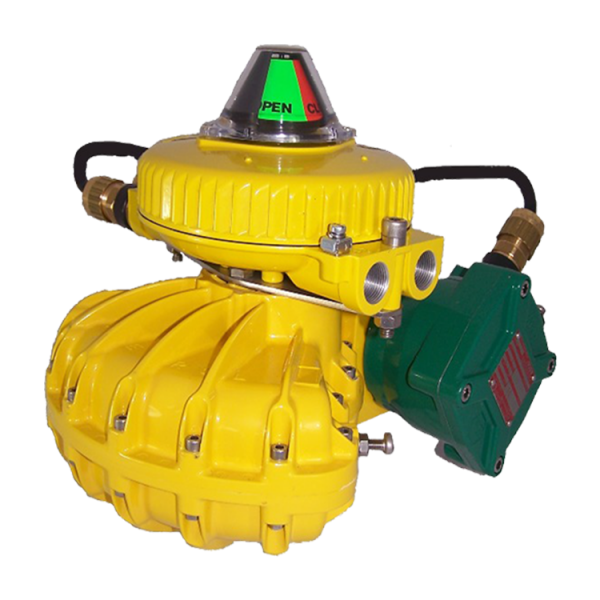
Electric Actuators by Kinetrol
While pneumatic actuators are widely used, electric actuators are also gaining popularity due to their precision and control. Kinetrol is a leading provider of electric actuators, known for their robust design and reliability. These actuators convert electrical energy into mechanical torque, offering a high degree of accuracy and repeatability.
Advantages of Electric Actuators
- Precision Control: Electric actuators provide precise control over positioning, making them suitable for applications requiring exact movements.
- Energy Efficiency: They consume energy only when moving, unlike pneumatic systems that may have continuous energy loss through leaks.
- Low Maintenance: With fewer moving parts, electric actuators typically require less maintenance compared to their pneumatic counterparts.
Kinetrol’s electric actuators stand out for their durability and performance in harsh conditions. By utilizing advanced materials and engineering techniques, Kinetrol ensures their actuators can withstand the rigors of industrial environments.

Applications of Electric Actuators
Electric actuators find applications across industries, from manufacturing to energy production. In automated manufacturing lines, they precisely control the movement of robotic arms, ensuring seamless operation. In the energy sector, they manage the flow of fluids in pipelines, contributing to safety and efficiency.
Moreover, Kinetrol’s actuators are tailored for specific industry needs, offering solutions that meet stringent regulatory standards. Their versatility and customization options make them a preferred choice for businesses looking to optimize their operations.
Energy-Efficient Actuator Solutions
Energy efficiency is a critical consideration in industrial applications, where reducing energy consumption can lead to significant cost savings and environmental benefits. Pneumatic actuators, traditionally seen as energy-intensive, are evolving with new technologies to become more efficient.
Improving Pneumatic Actuator Efficiency
- Optimized Air Consumption: Modern pneumatic actuators are designed to minimize air consumption through efficient valve configurations and improved sealing technologies.
- Smart Control Systems: Integrating smart control systems allows for better management of air pressure and flow, reducing waste and improving overall efficiency.
- Regular Maintenance: Ensuring regular maintenance prevents leaks and maintains optimal performance, further enhancing energy efficiency.
These advancements make pneumatic actuators a viable option for industries aiming to reduce their carbon footprint while maintaining operational efficiency. By adopting energy-efficient models, companies can achieve substantial energy savings and contribute to sustainability goals.
Comparing Pneumatic and Electric Actuators
Choosing between pneumatic and electric actuators depends on various factors, including application requirements, cost considerations, and energy efficiency. Below is a comparison table highlighting key differences between the two types of actuators:
| Aspect | Pneumatic Actuators | Electric Actuators |
|---|---|---|
| Energy Source | Compressed Air | Electricity |
| Control Precision | Moderate | High |
| Maintenance | Higher | Lower |
| Environment Suitability | Hazardous Environments | Non-Hazardous Environments |
| Initial Cost | Lower | Higher |
This comparison can guide businesses in selecting the right actuator technology for their specific needs, balancing cost, performance, and energy efficiency.
FAQ
What are the main types of pneumatic actuators?
Pneumatic actuators are generally categorized into linear and rotary actuators. Linear actuators convert compressed air into linear motion, while rotary actuators produce rotational motion. Each type is suitable for different applications based on the required motion and force.
How do pneumatic actuators work?
Pneumatic actuators work by using compressed air to move a piston or diaphragm within a cylinder. The air pressure causes the piston to move, generating linear or rotational motion. The design and operation can vary based on the specific application and actuator type.
What industries commonly use pneumatic actuators?
Pneumatic actuators are commonly used in industries such as manufacturing, automotive, food and beverage, and pharmaceuticals. Their ability to operate in hazardous environments makes them ideal for these sectors, where safety and reliability are paramount.
Are pneumatic actuators environmentally friendly?
While traditional pneumatic systems can be energy-intensive, advancements in technology have led to more energy-efficient designs. By reducing air leakage and optimizing air consumption, modern pneumatic actuators can contribute to lower energy use and reduced environmental impact.
What should be considered when selecting an actuator?
When selecting an actuator, consider factors such as the required motion (linear or rotary), the operating environment, control precision, energy efficiency, and cost. Evaluating these factors will help in choosing the most suitable actuator for the application.
Conclusion
Pneumatic actuators play a crucial role in industrial applications, offering reliable and efficient motion control. With advancements in technology, both pneumatic and electric actuators are becoming more energy-efficient, providing businesses with options to optimize their operations. Companies like kinetrolactuator.com continue to innovate in this field, offering solutions that meet the evolving needs of various industries. By understanding the differences and applications of these actuators, businesses can make informed decisions to enhance productivity and sustainability.
