

What are Pneumatic Actuators?
In the world of industrial automation, pneumatic actuators play a pivotal role. These devices transform compressed air energy into mechanical motion, enabling seamless operation of valves, presses, conveyors, and other equipment. Their efficiency, simplicity, and durability make them indispensable in modern factories and processing plants.
Engineers, technicians, and industrial operators often rely on pneumatic actuators to maintain precise control over machinery. Unlike electric or hydraulic alternatives, pneumatic actuators provide faster response times and robust performance under harsh conditions. Whether you are managing a production line or designing an automated system, understanding these actuators is crucial.
How Pneumatic Actuators Work
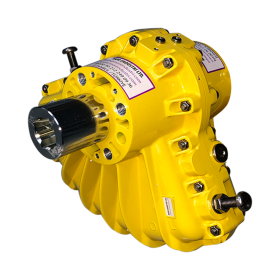
At the core, a pneumatic actuator uses air pressure to produce motion. When compressed air enters the actuator, it pushes a piston or diaphragm, converting pressure energy into linear or rotary movement. This movement can open or close valves, push levers, or drive other mechanisms.
The simplicity of their design ensures minimal maintenance. Many actuators feature components such as:
- Piston or diaphragm
- Cylinder housing
- Control valves
- Return springs (for spring-return types)
This combination ensures consistent performance, even in demanding industrial environments. The actuator’s design also allows for precise control of speed, force, and position.
 Types of Pneumatic Actuators
Pneumatic actuators come in various types, each suited for specific industrial applications. The most common types include:
Linear Actuators
These actuators create straight-line motion, ideal for pushing, lifting, or pressing applications. Industries use them in packaging, automation, and material handling systems.
Rotary Actuators
Rotary actuators generate circular motion and are commonly used to operate ball valves or dampers. Their rotation can vary from a few degrees to full 360° turns.
Rodless Actuators
Rodless actuators combine linear movement with space-saving designs. They use magnetic or mechanical coupling to move loads along the cylinder without a protruding rod.
Quarter-Turn Actuators
Quarter-turn actuators rotate precisely 90°, commonly employed in valve automation. Their compact design provides reliability and quick response.
The table below summarizes these types and their key applications:
| Actuator Type | Motion Type | Common Applications | Advantages |
|---|---|---|---|
| Linear Actuator | Straight | Material handling, presses | Simple design, precise movement |
| Rotary Actuator | Circular | Ball valves, dampers | Compact, robust, efficient |
| Rodless Actuator | Straight | Conveyor systems, space-limited areas | Space-saving, smooth operation |
| Quarter-Turn Actuator | 90° rotation | Valve automation | Quick response, compact design |
Advantages of Using Pneumatic Actuators
Choosing pneumatic actuators comes with several benefits. Their lightweight design and reliable operation make them ideal for continuous industrial processes. Some advantages include:
- Fast response times for high-speed automation
- Durable performance in harsh environments
- Simple maintenance with fewer moving parts
- Energy-efficient operation when integrated with proper compressors
- Safety in explosive or flammable environments, as they do not generate sparks
In many industries, these benefits outweigh the higher initial cost of pneumatic systems compared to manual or electric alternatives.
Applications Across Industries
Pneumatic actuators find applications across diverse sectors. They enhance productivity, reduce downtime, and ensure consistent performance. Some common industries include:
- Automotive manufacturing: For assembling components and operating robotic arms
- Food and beverage: For packaging, filling, and bottling lines
- Oil and gas: For valve automation in hazardous environments
- Pharmaceutical: For precision control in production and packaging
- Water treatment: For operating valves and gates in treatment facilities
The versatility of these actuators ensures industries can tailor them to meet specific operational needs.
Selecting the Right Pneumatic Actuator
Choosing the right pneumatic actuator involves careful consideration of several factors:
- Load requirements: Determine the force or torque needed to operate your machinery.
- Stroke length or rotation: Select an actuator that provides sufficient motion for the application.
- Operating environment: Consider temperature, humidity, and exposure to chemicals.
- Control type: Decide whether a simple on/off control or precise positioning is required.
- Mounting options: Ensure compatibility with your equipment layout.
Proper selection improves efficiency, extends equipment life, and reduces operational risks.
Maintenance and Troubleshooting Tips
Even the most robust pneumatic actuators require routine care. Regular maintenance ensures longevity and reliable performance. Some key tips include:
- Inspect air supply for moisture or contaminants
- Lubricate moving parts as recommended by the manufacturer
- Check seals, gaskets, and springs for wear
- Test actuator response regularly
- Replace worn components promptly to prevent failures
Addressing minor issues early prevents downtime and costly repairs.
Future of Pneumatic Actuators
As industries move toward automation and smart manufacturing, pneumatic actuators continue to evolve. Integration with digital control systems allows remote monitoring and predictive maintenance. These developments ensure:
- Enhanced efficiency and productivity
- Reduced energy consumption
- Real-time performance insights
Incorporating pneumatic actuators into Industry 4.0 systems helps manufacturers stay competitive in the evolving industrial landscape.
Sık Sorulan Sorular (FAQ)
What is a pneumatic actuator used for?
A pneumatic actuator converts compressed air into mechanical motion, commonly used for valve operation, pressing, lifting, or conveying systems.
How do pneumatic actuators differ from electric actuators?
Pneumatic actuators use compressed air for motion, offering faster response times and safer operation in hazardous environments. Electric actuators use electricity and are more precise but slower in some applications.
How long do pneumatic actuators last?
With proper maintenance, a pneumatic actuator can last several years. Factors such as environment, load, and frequency of operation influence its lifespan.
Can pneumatic actuators be automated?
Yes, modern pneumatic actuators integrate with sensors, PLCs, and other control systems to enable full automation, remote monitoring, and predictive maintenance.
